MPUK26_Banner_(2160x2160)_Stand_306

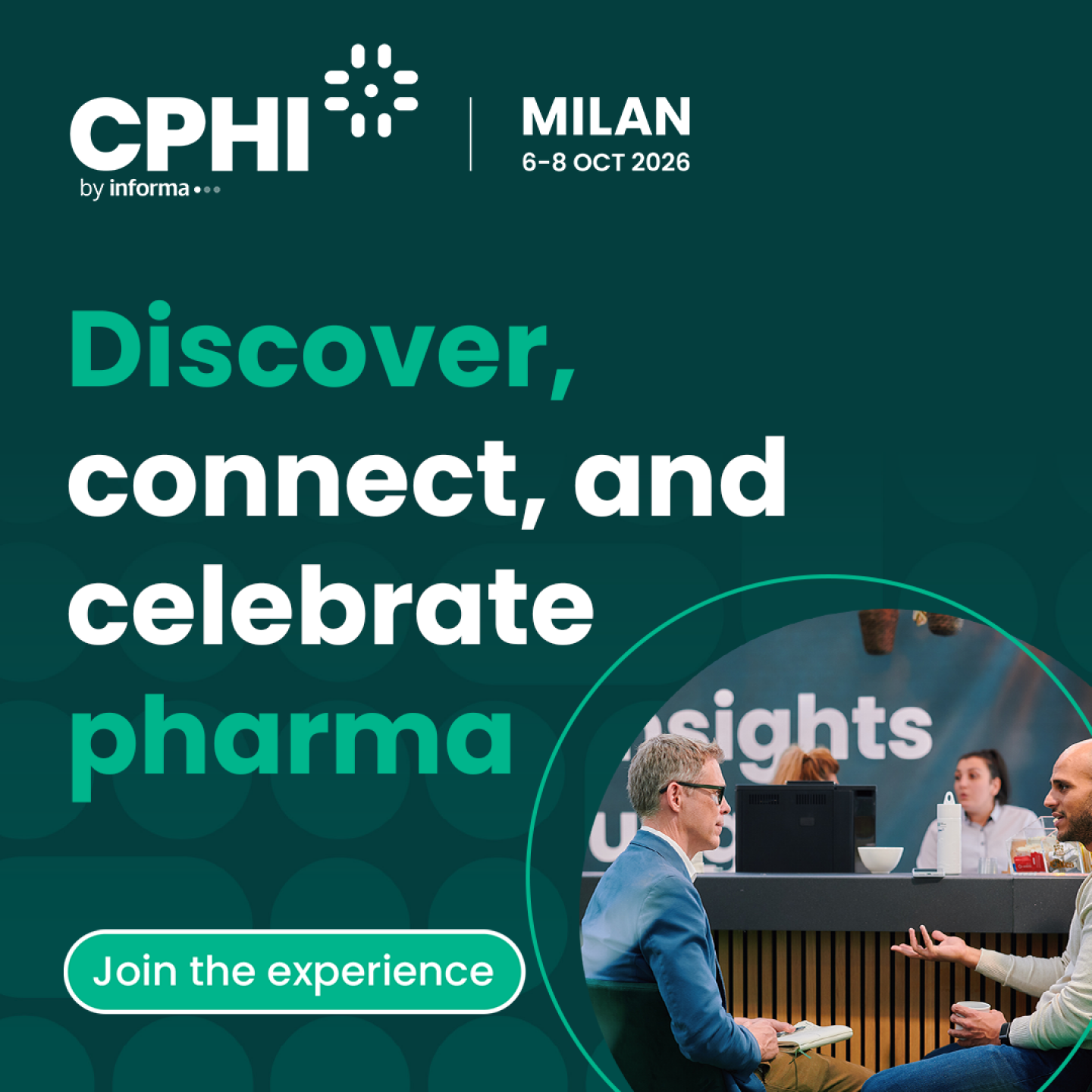
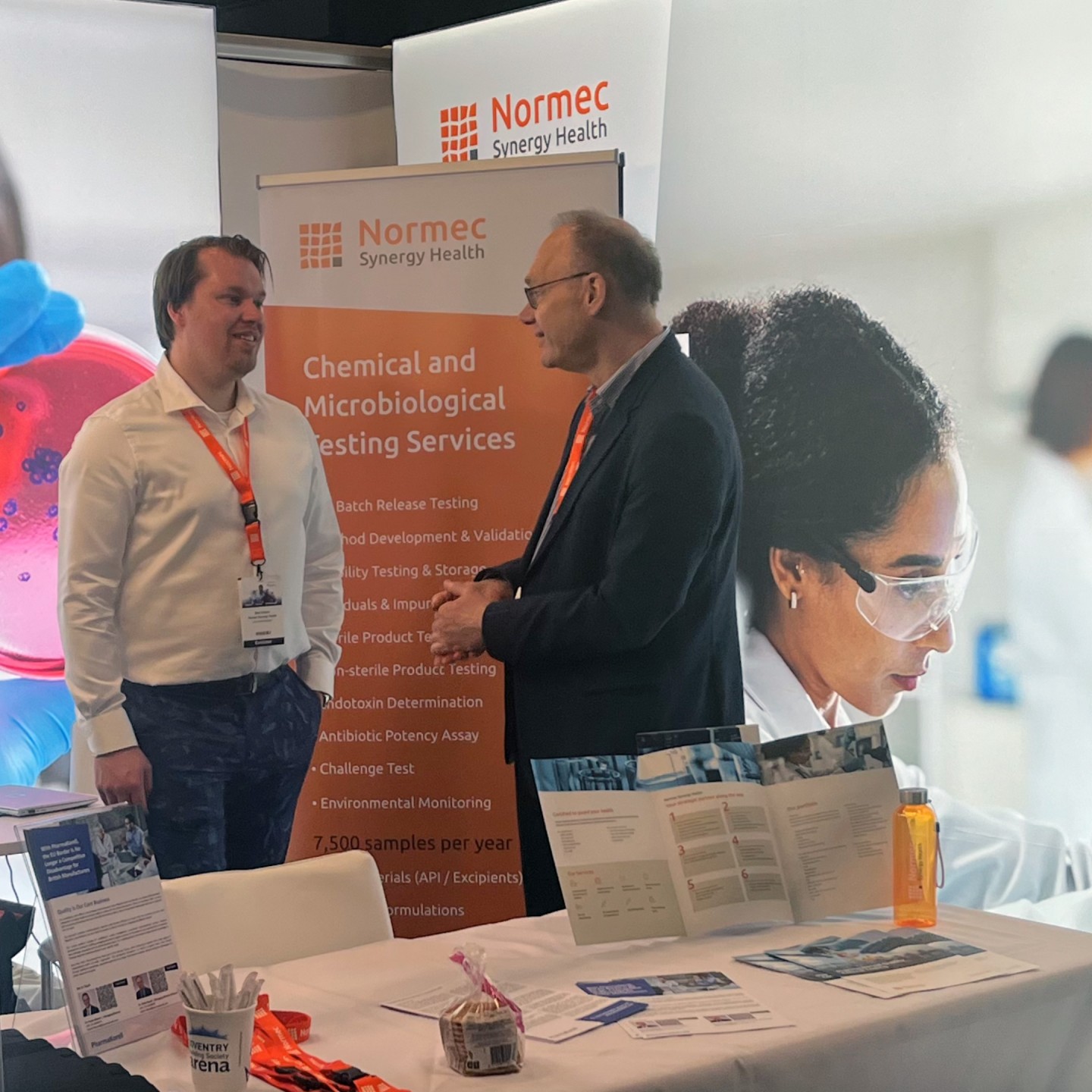
Meet Normec Synergy Health & PharmaKorell at Making Pharmaceuticals 2026 – Stand 306

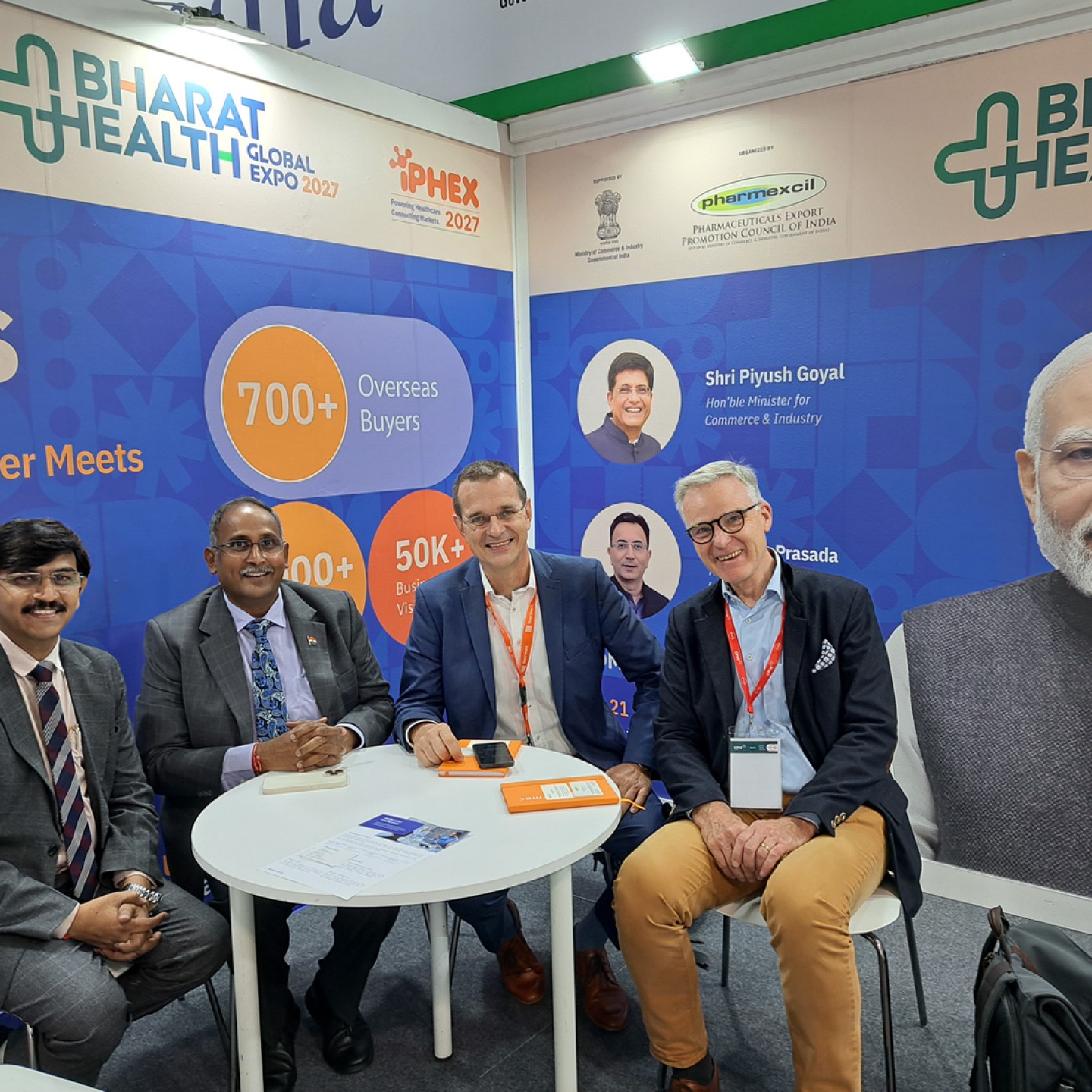
Meet Normec Synergy Health and PharmaKorell GmbH at Stand 306 at Making Pharmaceuticals in Coventry on 21–22 April 2026 – two specialised companies within the Normec Group. Our Managing Director and founder, Dr. Ulrich Korell, looks forward to meeting you in person.

As a German pharmaceutical consulting company, we have supported more than 200 pharmaceutical and biotech companies worldwide since 2007, across over 30 countries, with a team of more than 25 professionals.

For UK pharmaceutical manufacturers, we manage the import of UK medicinal products into the EU and provide EU QP certification for commercial supply or clinical trials. If required, we can also take care of customs clearance and distribution. This means the EU’s external border no longer has to be a competitive disadvantage for UK manufacturers.

To arrange a meeting, please message us on email at info@pharmakorell.com.

Dr Stefanie Schmidt PharmaKorell

New Perspectives: A Conversation with Dr Stefanie Schmidt

Dr Stefanie Schmidt has been part of PharmaKorell since December 2025 and strengthens our team in Munich as a Senior Consultant. With experience spanning academic research, community pharmacy, industrial pharmaceutical manufacturing, and leadership roles in the quality function of a CDMO, she brings a broad range of perspectives – combining scientific depth with the pragmatism of day-to-day GMP work.

To get to know her and the way she works, we asked Dr Schmidt a few questions: What genuinely helps when making decisions under pressure? Which process improvement is often underestimated, even though it almost always delivers? And which principles, as a QP, remain non-negotiable – even in capacity crunch situations?


Your career path spans academic research, community pharmacy, industrial pharmaceutical manufacturing, and leadership responsibilities in the quality function of a contract manufacturer (CDMO) – and now consulting. How has this breadth shaped your approach to risk assessment and decision-making under pressure?

The variety of perspectives and experiences helps me prioritise flexibly depending on the situation. In some moments, strict compliance with the rules is what matters most; in others, it is a very practical understanding of processes and their limits. Especially in a GMP environment, you quickly see how important it is to bring theory and reality together and to interpret grey areas correctly.

The combination of a scientific background, operational experience, and regulatory understanding now helps me assess risks holistically and make pragmatic decisions that are still technically sound.


Which system or process improvement almost always leads to better outcomes, yet is still frequently underestimated?

One often underestimated but highly effective improvement is the systematic involvement of the employees who work with the processes every day. They know bottlenecks, workarounds, and opportunities and they often provide the quickest “quick wins”. When employees are actively involved in improvement efforts, willingness to adopt and sustain new solutions increases significantly. However, there is often a lack of a clear method to capture experiential knowledge systematically and translate it into improvements.


What hard-earned insight would you definitely pass on?

One important insight, although I suspect it doesn’t really spare anyone detours, is that expertise alone is not enough. What matters is the willingness to make decisions and take responsibility for them. This sense of responsibility does not develop by itself; it grows through practice, reflection, and an open approach to mistakes, which is not a weakness, but a sign of professionalism that builds trust.

Equally important is asking questions rather than staying silent out of uncertainty. Questions prevent misunderstandings and accelerate real learning.

So if there is one thing I would pass on, it’s this: decide courageously, ask curious questions, and learn openly from mistakes.


Which types of customer challenges appeal to you most in your new role as a Senior Consultant at PharmaKorell—and why?

I’m particularly drawn to customer challenges where I can directly apply my experience from pharmaceutical contract manufacturing, especially in the field of sterile medicinal products, to support customers in a very practical way.

At the same time, I’m looking forward to challenges that help me grow both technically and methodologically. The pharmaceutical world is diverse and evolving rapidly. The opportunity to look beyond my previous technical focus, explore new subject areas, and get to know different ways of thinking and working is highly motivating for me.

Ultimately, what excites me most is the mix: a varied “bouquet” of projects, structures, and questions. For me, that variety is what makes the consultant role so appealing right now.


In times of capacity constraints, pressure can increase to release batches particularly quickly. As a QP, what are your non-negotiables? Where do you draw the line, regardless of circumstances?

The role of the QP was intentionally established by the legislator as the final independent safeguard between manufacturing and the patient and that is exactly how I understand it. Medicinal products are a special good, and in the end it is always about people who trust that we take our responsibility seriously. I draw the line where patient safety can no longer be guaranteed beyond doubt. If uncertainties remain, if data are missing, or if risks have not been fully assessed, then I cannot and must not release a batch. This decision must not be influenced by time pressure, commercial interests, or external expectations.

Germany Web 2160x2160

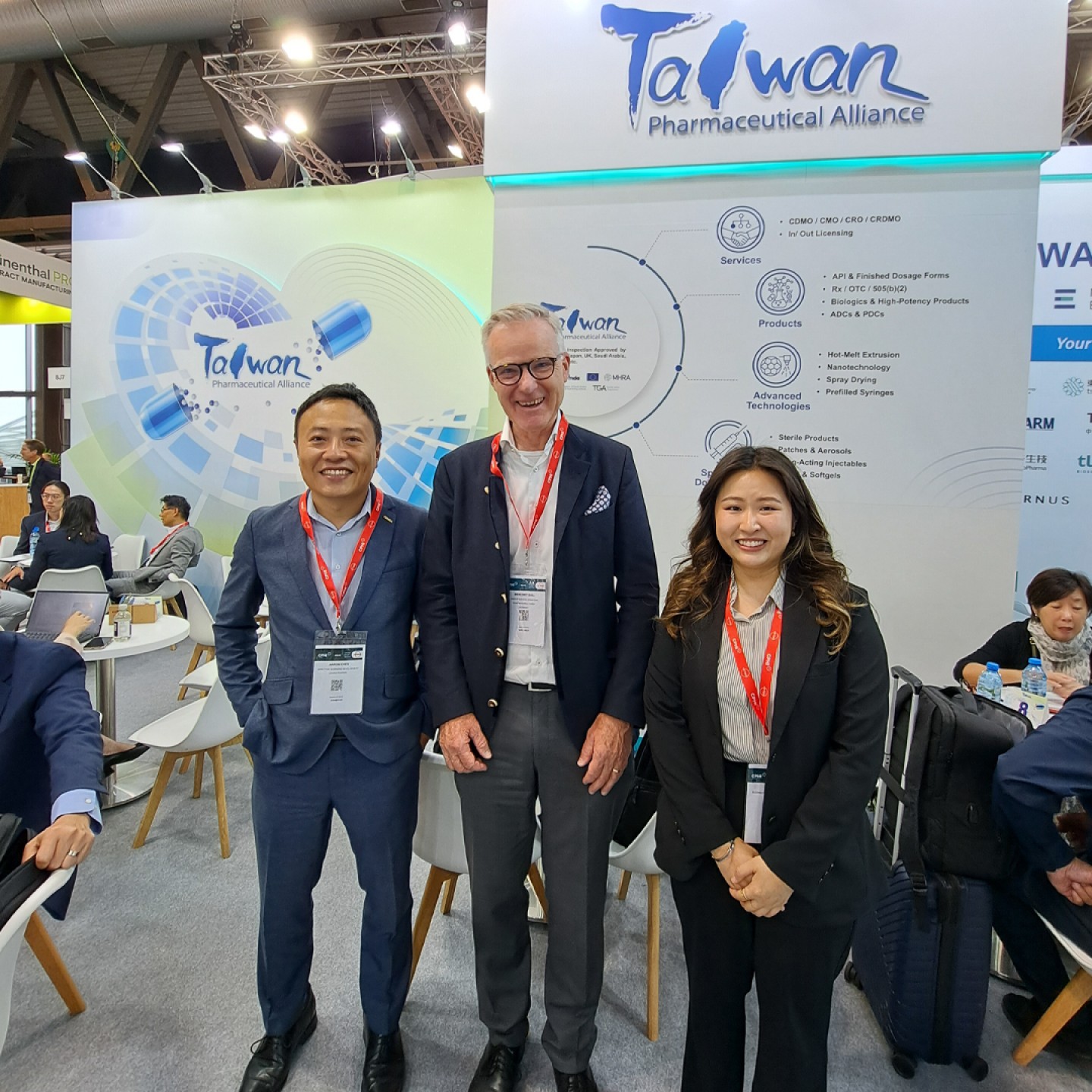
PharmaKorell Trade Show Roadmap 2026

As a globally operating consultancy and certification firm, we continuously monitor pharmaceutical innovations and trends worldwide and enjoy networking within our industry. This year we will be participating in the following international events, among others:

CPHI Europe | Milan | 6 – 8 October 2026

Festival of Biologics | Basel | 13 – 15 October 2026

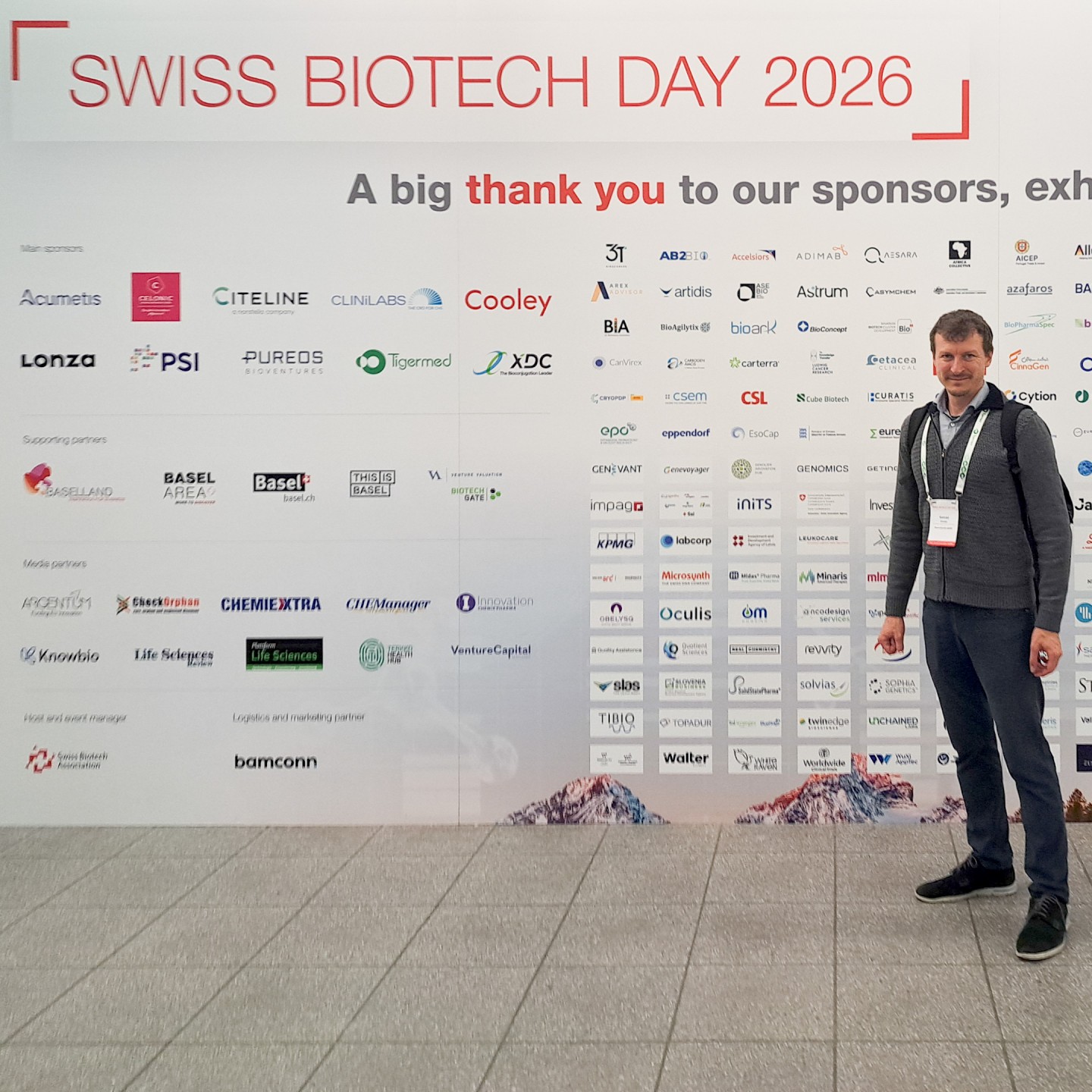
Swiss Biotech Day | Basel | 4 – 5 May 2026

Making Pharmaceuticals | Coventry | 21 – 22 April 2026

CPHI China | Shanghai | 16 – 18 June 2026

BIO International Convention | San Diego | 22 – 25 June 2026

What’s on your trade show agenda for 2026? We are always open to further suggestions. We look forward to possibly meeting you at one or more of these events.

xmas-website-2160x2160

Warmest Season’s Greetings

On behalf of the entire PharmaKorell team, we extend our warmest Season’s Greetings to everyone, whether near or far! We look forward to continuing to assist our clients in safely bringing innovative medication to the market in the coming year.

From 24 December to 6 January, our availability will be limited.For urgent matters, you can reach us between the holidays at info@pharmakorell.com.

PharmaKorell introduces its new sabbatical policy

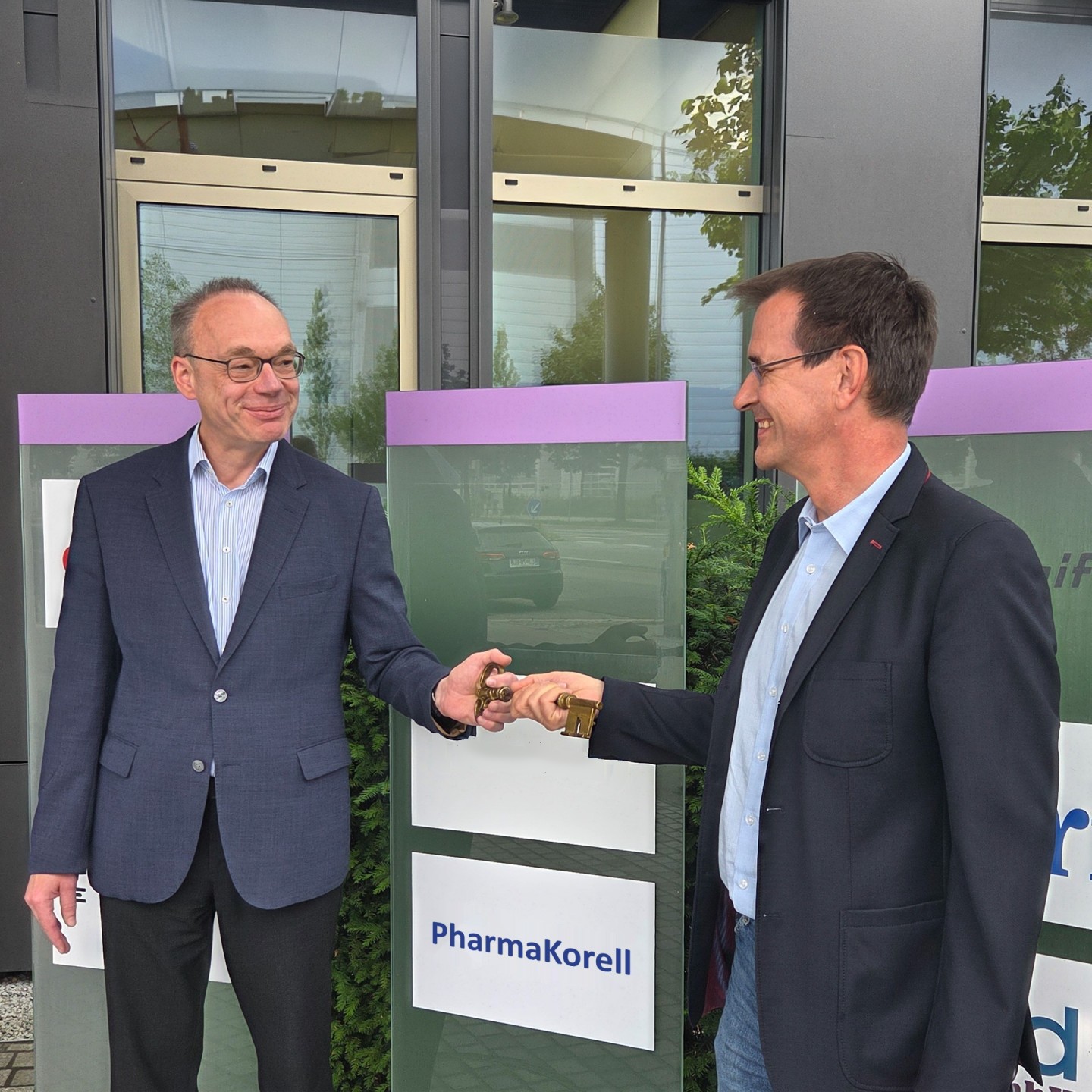
PharmaKorell introduced its new sabbatical policy and Dr Claus-Jürgen Koch was the first to try it out

Recently, we introduced the option for employees to take a sabbatical – planned time away from work to explore personal projects. Dr Claus-Jürgen Koch, who has been part of PharmaKorell in Munich since 2022, took this chance together with his family. Shortly after his return, we asked him how he experienced this special time.

What motivated you to take a sabbatical? What was the key trigger that made you take the step?
The idea of immersing myself in another world for a while, getting to know a different country, its people, and their way of life, has always fascinated me. A standard holiday is usually too short to truly get to know a place or its culture. I also hadn’t had an extended period for myself, beyond normal holidays, since my early school years, without school or work obligations. A longer stay abroad, ideally combined with a professional break, had long been a dream of mine.

The fact that PharmaKorell offers the option of taking time away from work while still receiving a salary and remaining fully insured was one of the decisive reasons for taking the sabbatical.

The timing also worked well with our children’s school schedule, as both were still in primary school. And financial considerations naturally also played a role, since we no longer had any major financial commitments, we were able to take this step with confidence, especially as I could return to my previous role directly afterwards.

Why Australia? Was there a particular reason or dream behind it?
Yes, we have friends who emigrated to Australia three years ago, and we visited them there two years ago. As we loved that one-month trip, choosing Australia for the sabbatical was easy. Australia offers stunning nature, exotic endemic wildlife and a way of life not too different from our own. It is a very safe country, yet full of adventure if one seeks it.

This time, however, the set-up was different. It was no longer a simple holiday but an extended stay, meaning many things had to be organised in advance. We have two primary-school-aged children who needed formal exemption from compulsory schooling. The requirement was to provide alternative schooling, which, fortunately, their school in Germany supported fully. With the bilingual German School Melbourne, we found an excellent solution. Small classes and no language barrier meant an easy transition.

We then had to arrange accommodation in Melbourne, organise care for our home in Germany, book flights, apply for visas, and so on. And of course, both our employers had to approve the plans. PharmaKorell proved to be extremely supportive. I worked full-time for six months beforehand, thereby accumulating the time for six months of sabbatical, meaning I received half of my usual salary for a total of twelve months. For my wife, the process was unfortunately more complicated, and she eventually decided to resign and reorient herself after the sabbatical.

What experiences in Australia had the greatest impact on you and your family?
Spending so much time together as a family and truly being present for one another was wonderful. We grew closer as a unit and learned that we can always rely on each other. We handled every challenge together,  something that will undoubtedly benefit us in the future.

We also really enjoyed the relaxed Australian lifestyle. I felt Australians place far less importance on appearances and status symbols such as clothes or cars.

Was there a moment that stayed with you in particular?
Yes, during the final two weeks, we travelled through the Outback in a campervan. The vastness and silence were unforgettable. You step out of the vehicle and hear nothing but the wind. You hardly find that level of quiet anywhere back home. And occasionally, emus and kangaroos wandered across our path.

Which cultural differences did you notice?
Australia is a classic immigration country, and this diversity is clearly visible and lived. However, many arrivals originate from Europe, so cultural differences often felt subtle rather than stark. Australians are open, humorous, and place strong emphasis on fairness and respectful interaction. Small things stood out, for instance, how easily conversations begin with strangers. Small talk is natural there; in Germany, this often feels more reserved.

What did you learn about yourself or your family along the way?
We realised how little one actually needs. At home, we have a full household; on the road, one large bag per person was enough. Nothing was missing, not even for the children. Experience mattered more than possessions.

Did the sabbatical change how you view your work or role at PharmaKorell?
Not fundamentally. However, the distance made me even more aware of how valuable good structure and reliable colleagues are. I was reintegrated smoothly and warmly, something I greatly appreciate.

Which impulses or ideas do you bring back into the company?
The sabbatical helped me regroup and return with more energy and focus. I experienced Australians as pragmatic and solution-oriented, perhaps due to cultural diversity, a mindset I share. Travelling with children required continual adaptability, and this reinforced my belief that change is both challenge and opportunity. I hope to contribute this flexibility going forward.

Would you recommend taking a sabbatical and if so, why?
Absolutely. For anyone able and willing to take such a step, a sabbatical offers a rare chance to step away from everyday life and gain distance, both personally and professionally. It allows you to re-evaluate priorities, reshape perspectives, and experience life differently. Living in another country for an extended period, getting to know people and culture more deeply, is a tremendous enrichment.

How was the return to work?
Very smooth. I had handed over, paused or completed my projects before leaving, making the transition back easy. My colleagues covered outstanding tasks excellently and made re-entry effortless.

Have you kept any habits or attitudes from Australia?
Yes, above all, more calmness. Without work commitments, our daily rhythm was more relaxed, and this reflected positively in the way we interacted. I hope to preserve some of that calm even in busy periods. Our children also felt life as a family became more harmonious, something we definitely hope to maintain.

Thank you, Claus-Jürgen, for the inspiring insight and for sharing your journey.


And how did the organisational side of things work?

Employees can receive 50% of their regular salary during the sabbatical.
As no work is performed during the leave period, the time must be worked in advance.

Example:
6 months full-time work + 6 months leave → 12 months paid at 50% salary

The employment relationship continues fully during the sabbatical.

Therefore:

  • Social insurance contributions (health, pension, care, unemployment) continue normally
  • No special tax rules apply — salary simply continues at a reduced level
  • No administrative actions such as deregistration/re-registration are required

A sabbatical at PharmaKorell is therefore legally and organisationally straightforward while ensuring stable financial planning and protection.

PharmaKorell again kununu Best Company

PharmaKorell Once Again Awarded the kununu Top Company Seal 2026

• After being named a Top Company in 2024 and 2025, PharmaKorell GmbH has also received the kununu Top Company Award for 2026 in recognition of its outstanding company culture.

• The employer seal highlights organisations with high employee satisfaction and is awarded exclusively on the basis of independent reviews on kununu.

• Around five per cent of all companies on kununu are recognised as a Top Company each year.

• kununu CEO Nina Zimmermann: “A strong signal to talents who are looking for their ideal employer.”

The employer review platform kununu has awarded PharmaKorell GmbH the Top Company Seal 2026. The award is based on the independent evaluations submitted by employees on the platform. This places PharmaKorell among the companies with the best working environment in Germany. “We congratulate PharmaKorell GmbH on once again receiving the Top Company Seal. Achieving this for the third consecutive year is something truly special,” says Nina Zimmermann, CEO of kununu.

“Only five per cent of companies qualify for this special seal. It sends a positive signal – both as a mark of quality for prospective applicants and as a reflection of a company’s culture to its current employees. Seventy-one per cent of companies that received the seal reported an increase in applications. In addition, 81 per cent consider the award an important part of their employer branding strategy.”

“We are delighted to have been recognised as a kununu Top Company for the third year in a row,” says Dr Ulrich Korell, founder and Managing Director of PharmaKorell.

“Constructive collaboration and a positive working environment are extremely important at PharmaKorell. We place great value on ensuring that the rules for working together are agreed collectively within the team – either in the full group or through a smaller focus group chosen by the team – and that team decisions are supported and implemented by everyone. These team decisions cover a broad range of topics, such as our shared company values, the procedure for calculating the annual performance bonus, expectations around availability when working outside the office, which employee benefits we introduce, the selection of our new digital document system (eQMS), which charitable organisations we support as a company, the destination of our next team outing, the drinks and snacks provided free of charge, or which images we hang in the communal areas.”

A survey by kununu of companies that received the Top Company Seal during the previous award season found: 80 per cent of surveyed companies received positive feedback about the seal during the recruitment process. Furthermore, 81 per cent of award recipients would recommend that other employers pursue the Top Company qualification.

Dr Markus Färber

Dr Markus Färber joins PharmaKorell’s consulting team

After more than 30 years at Wasserburger Arzneimittelwerk GmbH, where he headed the areas of Laboratory Quality Control, Quality Assurance, QP Compliance and Regulatory Affairs, Dr Markus Färber has opened a new professional chapter as a Senior Consultant at PharmaKorell.

In this interview, Markus shares what motivated him to take this step, what he finds fascinating about consultancy work, and what he particularly looks forward to in his new role.

Markus, after three decades at Wasserburger Arzneimittelwerk, you decided to take on a new challenge at PharmaKorell. What motivated you to make this move?
Those 30 years in the same environment at a contract manufacturer for parenterals were interesting, demanding and varied. However, as I have always been interested in new challenges and innovative technologies, I gradually developed the desire for a “fresh impulse” to gain new perspectives and explore more complex issues.

In consulting, one gains insight into a variety of companies, products and processes rather than seeing only a single operation. The work as a Senior Consultant at PharmaKorell allows me to think more broadly, continue my personal development and, at the same time, apply my many years of experience to bring about positive change in several companies, not just one.

What was it like to switch to consultancy after so many years on the industry side?
The step was not as big as one might think. In recent years, many new and partly less experienced employees joined Wasserburger Arzneimittelwerk, so my expertise and experience were often in demand. I was, in a way, already acting as an “internal consultant.”

Which experiences from your 30 years in Regulatory Affairs and Compliance are particularly valuable for your clients today?
I can look back on more than 20 years of experience in the quality management of a sterile manufacturer. During that time, I served as the primary contact for frequent client audits and inspections by national and international authorities. This enables me to advise PharmaKorell’s clients on how to build quality management systems that are highly likely to withstand audits and inspections successfully.

You’ve witnessed developments in pharmaceutical quality and regulatory environments for many years. In your opinion, which trends are currently shaping the industry the most?
Regulatory requirements for the manufacture of sterile medicinal products and the associated quality management are constantly increasing. Novel and promising medicines (for example, for the treatment of cancer, diabetes or Alzheimer’s) are in the pipelines of leading manufacturers. These are provided as injectable products for clinical trials and later for market supply. Another particularly exciting development will be the use of artificial intelligence in the still rather conservative pharmaceutical world.

What is the best piece of advice or life lesson you’ve ever received, and how does it influence your work?
That’s not an easy question to answer. Professionally, two pieces of wisdom come to mind:

“Quality is not a department but a philosophy.” Quality is not something that is checked only at the end of a process. Quality awareness and appropriate risk management must form the foundation of every decision within a pharmaceutical company. In my daily work, this idea motivates me to help colleagues develop a sense of quality awareness, rather than merely controlling it.

“He who stops wanting to improve, stops being good.”
This has certainly become a guiding principle in my day-to-day work. In an environment of constantly changing conditions, a willingness to learn, adaptability and a modern mindset are essential – even with many years of experience.

And on a more personal note: What keeps you curious and motivated after so many years in the industry?
Even after 30 years, what motivates me is the fact that our work contributes directly to the safety of patients. I don’t see this as routine but as both a responsibility and a source of drive. Since the pharmaceutical industry is constantly evolving, curiosity is a fundamental attitude for me and I find it rewarding to help shape these changes and share my knowledge with others.

We are very pleased to have Markus on the team and look forward to the insights and long-standing experience he brings to PharmaKorell’s consulting work and client collaborations.

CPHI2025-Blog-2160x2160

Reflections on CPHI in Frankfurt: Professional Exchange in a Productive Atmosphere

This year’s CPHI in Frankfurt provided an environment that enabled in-depth and meaningful discussions. This was particularly valuable for us, as we were able to both connect with long-standing clients and also establish connections with potential new partners.

We attended a range of presentations and panel discussions. Two sessions, in particular, reflect topics that currently play a central role in many of our clients’ projects.

The session “Biologics in Motion: Navigating the Clinical Trials Landscape in Europe” with Ana Antunes (MABDESIGN), Sanobar Syed (Boehringer Ingelheim), and Dr Rafael Grochot (Sarah Cannon Research Institute), provided a concise overview of current clinical development landscapes, regulatory trends, and market distributions. One notable insight was that approximately one third of newly approved medicines are now biologics. This aligns closely with our own experience: a significant proportion of the projects we support involve biologics at various stages of development, including preparation for market entry. The discussion was compact and content-rich; it could easily have continued longer.

The panel discussion “Continuous Manufacturing: A View Into the Future of Pharmaceutical Production” featuring Gabriela Grasa Mannino (US Pharmacopeia), Dr Salvatore Mascia (CONTINUUS Pharmaceuticals), Rohtash Kumar (Veranova), and Philip Coetzee (Daiichi Sankyo), moderated by Edgar Pogna (L.E.K. Consulting), highlighted the importance of establishing a solid production strategy at the very beginning of a project. The discussion made clear that when development teams, senior management and regulatory authorities work together early and transparently, innovative or less established manufacturing approaches can be implemented successfully and supported within the regulatory framework.

The event was also very well organised. The CPHI app provided clear navigation across the venue, including time and distance indications and optimised routes, which made it easier to plan meetings efficiently. At the same time, it was possible to hold ad-hoc discussions in cafés, lounge areas and quieter corners between the halls, including confidential conversations, which is not always a given at large events.

The technical setup also deserves mention: presentations were delivered via headphones, allowing for concentrated listening even in semi-open spaces. In addition, the presence of well-trained staff ensured smooth orientation and logistical support throughout the venue.

The CPHI remains a relevant place for professional and scientific exchange. We plan to be there again next year. If you attended the CPHI yourself, or are working on related questions, we would welcome the opportunity to continue the conversation.

Monika-Web-2160x2160

ISO 9001 audit 2025 successfully completed

PharmaKorell has successfully completed this year’s ISO 9001 audit at its Lörrach, Munich, and Basel sites with zero findings. Conducted by TÜV SÜD, the audit confirmed the effectiveness of our Quality Management System in areas including documented information and records, processes and procedures, service delivery, and customer feedback.

What does this mean for our clients? 

ISO 9001 certification demonstrates that an accredited, independent certification body has audited and certified PharmaKorell once again, giving clients confidence in reproducible outcomes, reliable traceability and inspection-ready collaboration.

Many thanks to the entire team for its consistent quality focus and the continuous improvement of our QMS.

Sarah_web_2160x2160

Catching Up with Sarah Baier: 11 Months at PharmaKorell

In November 2024, we welcomed Sarah Baier to PharmaKorell as Team Assistant & IT Officer. Since then, she’s brought valuable experience from international IT projects and a refreshing, solution-oriented mindset to our team.

We asked Sarah about her impressions so far:


Sarah, you’ve been part of PharmaKorell for around eight months now. What has surprised or inspired you the most during this time?
What has inspired me most are the short communication paths. Topics and changes can be implemented quickly and easily. It’s also been fascinating to see the level of quality we operate at, especially considering that we are a relatively small team and how many clients we support. Everyone here is incredibly kind and supportive; people really help each other, and that makes the atmosphere quite special.


You previously worked on international IT projects and even with humanoid robots. Which experiences from that time help you most in your current role at PharmaKorell?
My technical understanding and problem-solving skills in IT have certainly deepened through both experiences, so I would say that definitely helps me when I’m wearing my IT Officer hat. It also sharpened my awareness of working within global teams. There are quite a few aspects to consider when collaborating across different cultures. Being aware of that and adapting your approach and behaviour accordingly is definitely beneficial in day-to-day work.


Your motto is: “When the wind of change blows, some build walls, others build windmills.” Where do you currently see the biggest windmills at PharmaKorell, and what are you most looking forward to in the coming months?
In our last Jour Fixe, someone put it very nicely and simply: “We’re growing!” This naturally brings both challenges and opportunities to adapt processes, introduce new systems, and become even better and faster at responding to our clients’ needs. I’m really looking forward to being part of this growth and to shaping the future of PharmaKorell together with my colleagues.

Headquarter Lörrach

PharmaKorell GmbH
Georges-Köhler-Str. 2
79539 Lörrach
Germany

Tel. +49 7621 949860
info@pharmakorell.com


We support the work of Pharmacists Without Borders Germany e.V.


We support the foundation outpatient children hospice Munich.

Branch office Munich

PharmaKorell GmbH
Schleißheimer Str. 373
80935 München
Germany

Tel. +49 89 24883410
info@pharmakorell.com

Contact in Switzerland

PharmaKorell GmbH
Lörracherstrasse 60
4125 Riehen/Basel
Switzerland

Tel. +41 79 1396748
info@pharmakorell.com