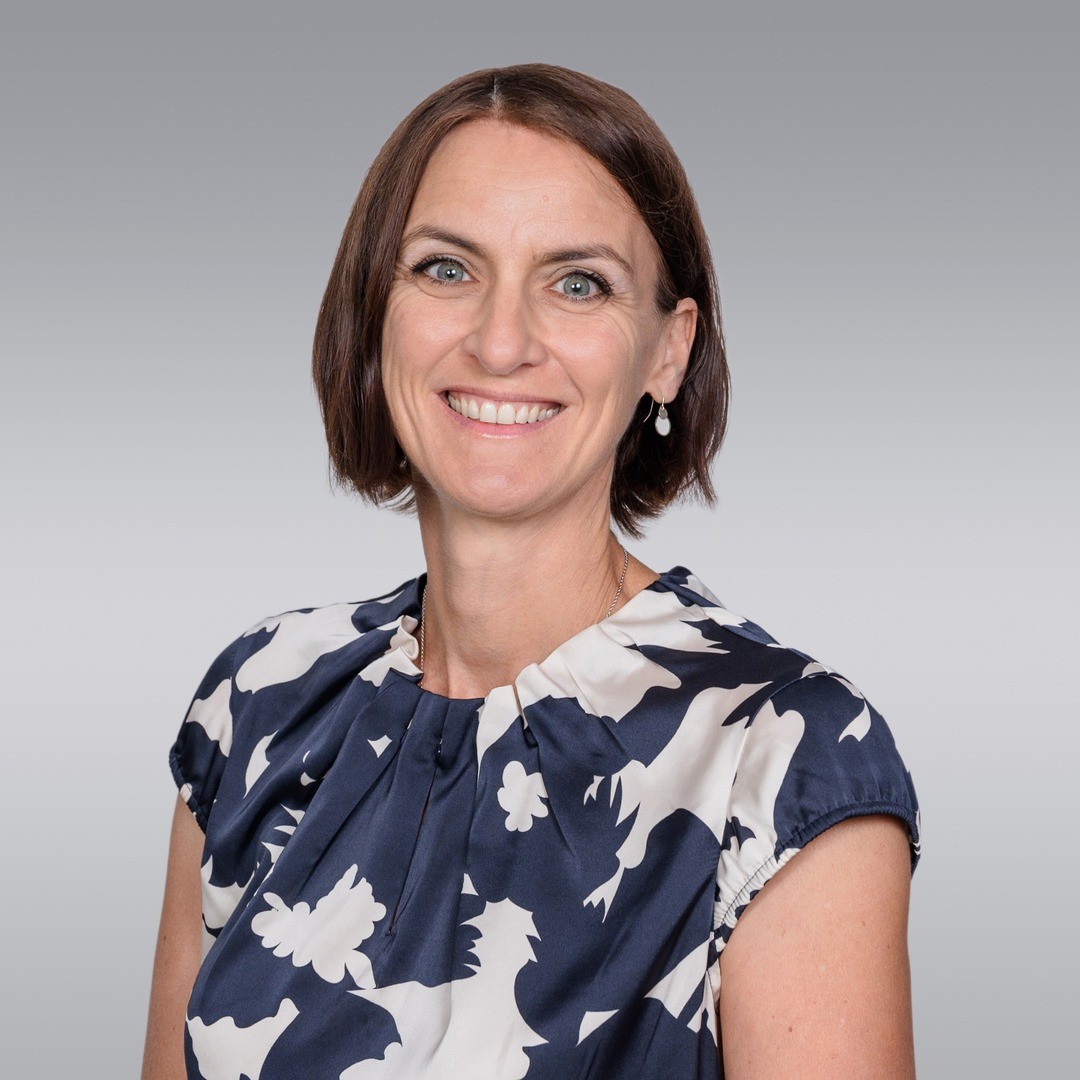
Oncolytic viruses in Oxford, ATMPs, a recombinant fusion protein in clinical development: Dr Carolin Hermann has been involved in the development of novel and complex medicinal products whose manufacture requires innovative processes or unusual analytical assays, and for which there is often no regulatory precedent to draw on. She recently joined PharmaKorell as a Qualified Person, bringing with her wide-ranging experience in the development, manufacture and quality assurance of medicinal products.
In this interview, Carolin explains why risk identification and risk assessment are, for her, at the heart of all quality assurance, which three themes will shape the pharmaceutical industry in the years ahead, and why she finds the responsibility of batch certification particularly compelling.
What unites all her decisions is the commitment to first understand why something has happened before assessing it. Or, in her own words: “Good quality does not come from rules alone, but from people who understand why they do what they do.”
You have worked with a wide range of biological medicinal products – from research on oncolytic viruses in Oxford, through ATMPs, to a recombinant fusion protein in clinical development. How has this shaped your view of quality?
All the medicinal products I have helped develop have one thing in common: they are novel and complex. Their manufacture requires innovative processes or unusual analytical assays, and there is often no regulatory precedent to draw on. That is why risk identification and risk assessment are, for me, at the heart of all quality assurance.
To me, quality means bringing together scientific understanding, GMP requirements and risk assessment. Ultimately, it always comes down to making a well-founded, traceable decision on the basis of all the available information – and thereby safeguarding patient safety.
Which principle guides you in quality decisions?
I always try to understand why something has happened before I assess how to deal with it.
In GMP systems, there are rarely simple yes-or-no decisions. More often, it is a matter of critically evaluating data, putting risks into perspective and understanding the context. My experience across different areas of the pharmaceutical industry helps me here.
My principle is therefore: quality does not come from blindly following rules, but from people who take responsibility and make well-founded decisions.
Where do you see the key developments that will shape the pharmaceutical industry in the coming years?
In my view, three themes will shape the industry in particular: robust supply chains, the growing use of digital technologies, and the further development of innovative therapies such as antibody-drug conjugates, antibody-radionuclide conjugates and ATMPs for in vivo cell therapy. At the same time, the central challenge remains unchanged: to provide patients with medicinal products that are safe, effective and of consistently high quality.
What attracts you to the role of Qualified Person?
The QP role brings together many of the aspects that have motivated me since the start of my career. It requires scientific understanding and regulatory expertise, combined with the ability to make balanced decisions.
What I find particularly compelling is the responsibility that comes with batch certification. Behind every decision lies the question of whether a medicinal product can be released for patients with a clear conscience.
Precisely because I have come to know development, manufacture and quality assurance from different perspectives, I see a future role as a QP as a natural progression of my professional path.


